




The Financial Impact of Digitizing Your Shop Floor
Paper timesheets, guessed scrap counts, and dusty binder instructions silently drain six figures from manufacturing margins every year. Replacing them with a digital interface that operators prefer to use produces measurable results within the first production cycle.
The real problems on your floor
Why Your Shop Floor Data Is Wrong Today
Manufacturing software was designed for desktops in air-conditioned offices. The person actually building your product gets a frustrating, miniaturized version of that desktop forced onto a tablet they hate touching.
Desktop Screens on Tiny Tablets
Legacy ERPs cram 47 menu items onto a 10-inch screen, causing misclicks and complete operator resistance. Your data entry error rate skyrockets.
Guessed Labor on Paper Timesheets
Operators scribble '3 hours' at the end of a shift when it was actually 3 hours and 42 minutes. Your job costing is fiction before it hits the spreadsheet.
Dusty Binders Hold Your SOPs
Revision 4 of a CAD drawing sits in a binder while Revision 7 exists on the engineer's laptop. Operators build to the wrong spec and you eat the scrap cost.
Physical Punch-Cards for Attendance
A front-door punch clock feeding into a separate system from your ERP creates a payroll reconciliation nightmare for HR every single pay period.
Everything Your Floor Team Needs on One Screen
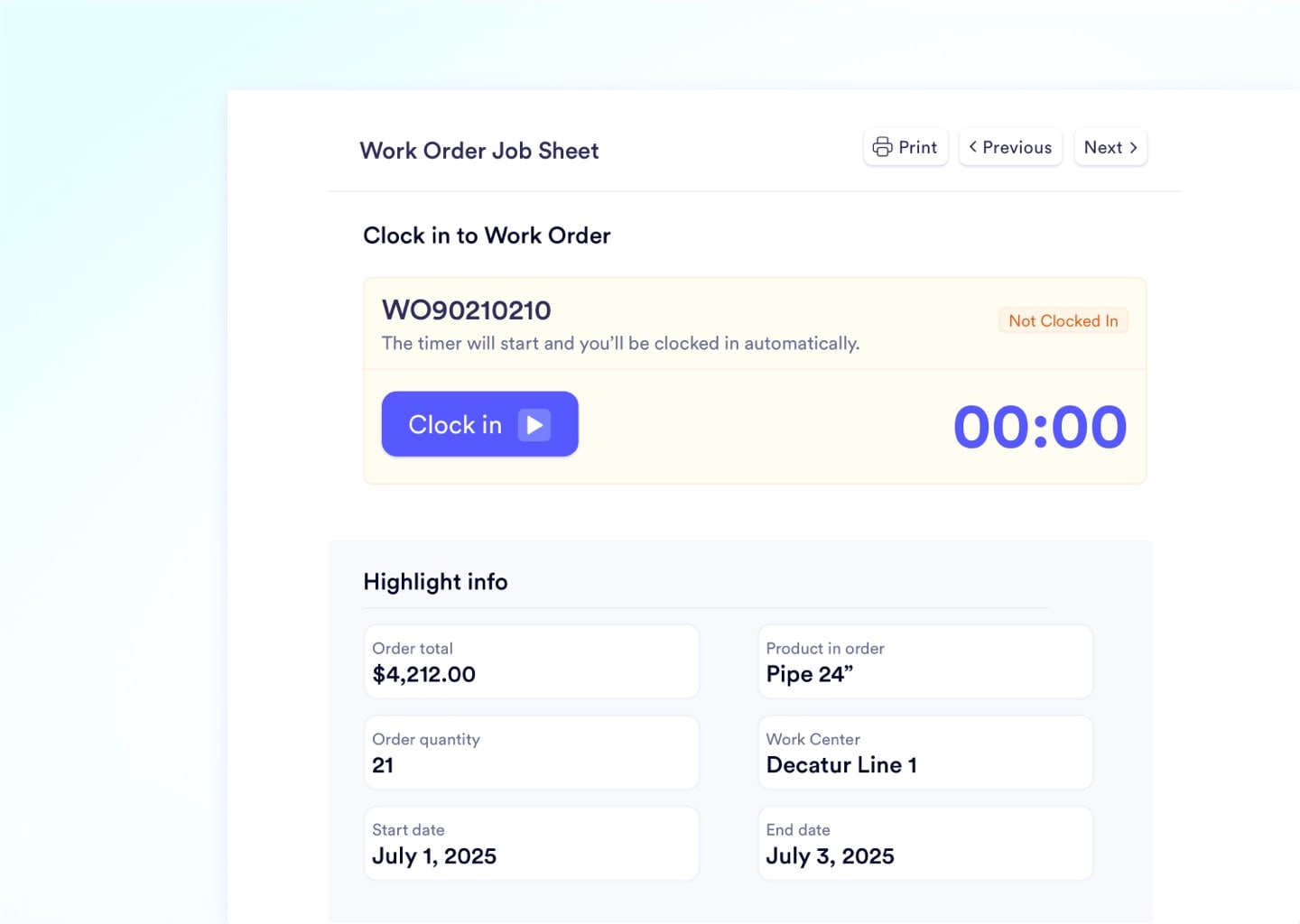
Exact Labor Cost Capture
Operators tap 'Start' and 'Stop' per work order. The system records to-the-second timestamps and automatically allocates the financial cost to the job.
- Clock in/out by work order
- Automatic hourly rate allocation
- Setup vs. run vs. cleanup separation
- Manager override for back-dated corrections
Digital Work Instructions
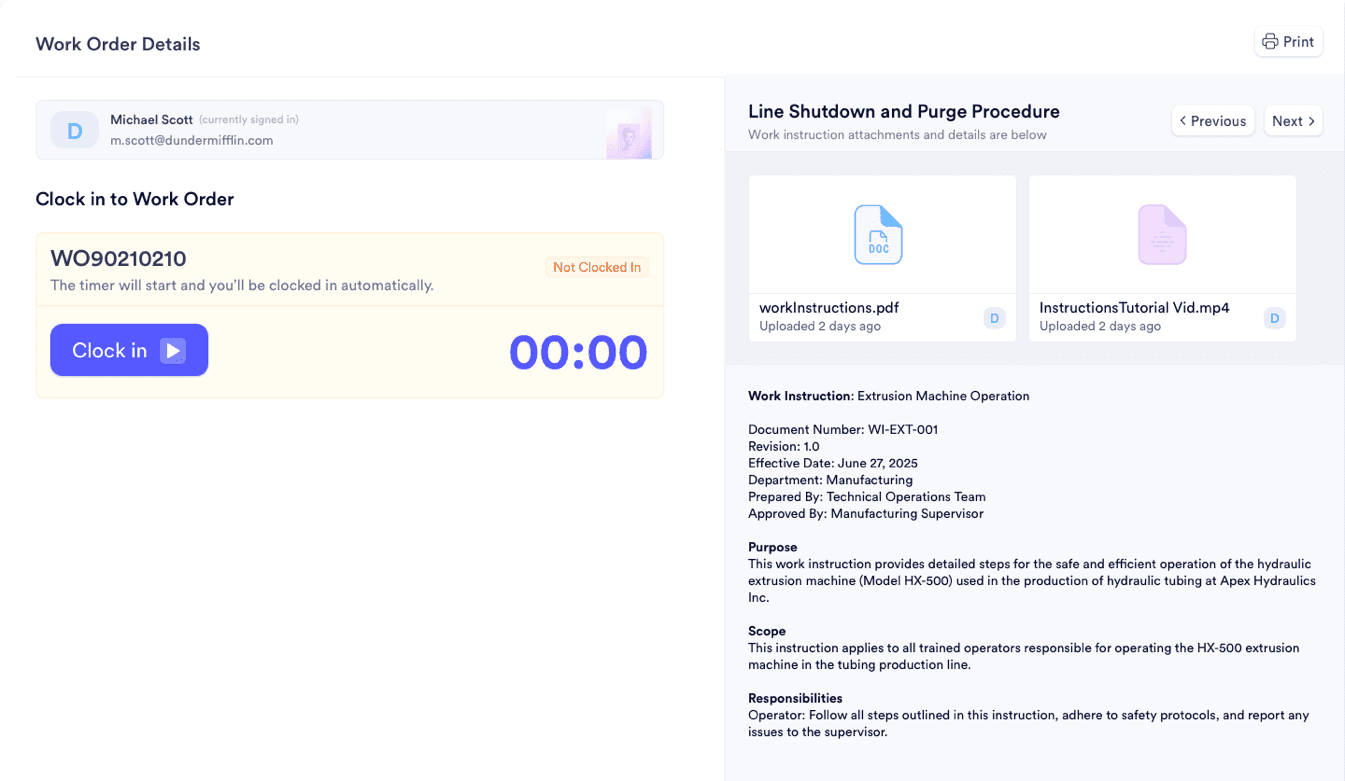
The correct SOPs and CAD diagrams auto-attach to every work order. When engineering updates a file, the new version pushes to every tablet instantly.
- Rich text and multi-attachment support
- Tablet-native swipeable instruction cards
- Version-controlled and centralized
- Linked to specific routing steps
Barcode Scanning Built In
Scan raw materials into jobs, generate lot-specific labels, and log every scan event with full employee and device attribution for complete traceability.
- Full barcode scan history with audit trail
- Native barcode generator with custom sequencing
- Scan attribution by employee and device
- Work center ID embedded in barcode sequences
Inline Quality Checks
Raw material inspections and finished goods inspections are enforced digitally, quarantining suspect inventory until QA formally signs off.
- Raw material inspections at receiving
- Finished goods inspections before shipping
- Configurable quality control points
- Auto-generated non-conformance reports on failure
Track Every Machine Like a Digital Twin
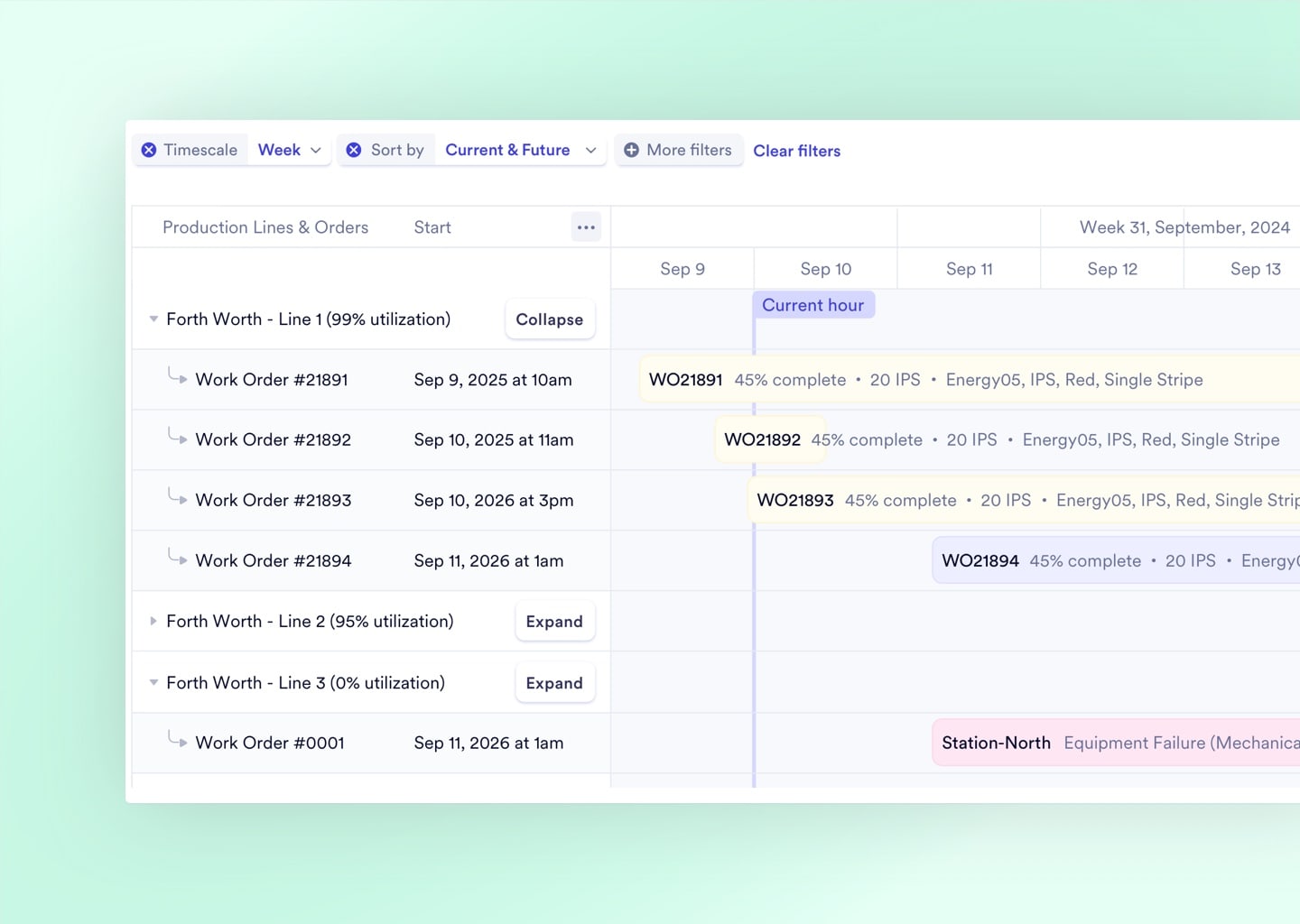
Work Centers are the heart of your factory logic. Each machine gets a detailed digital profile defining its exact hourly operating cost, daily capacity limits, product-specific output speeds, and quality tolerance thresholds. The scheduling engine uses this data to prevent overbooking, calculate accurate job costs, and flag anomalies the second they happen.
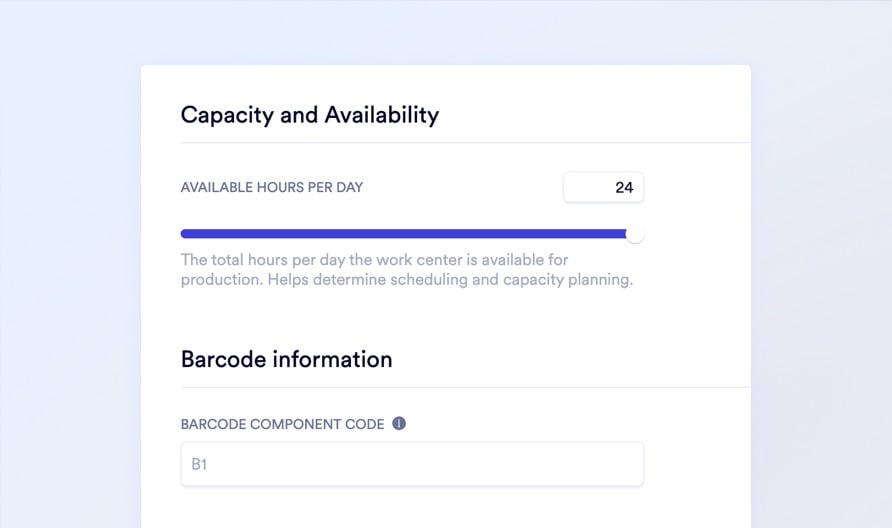
Capacity and Availability
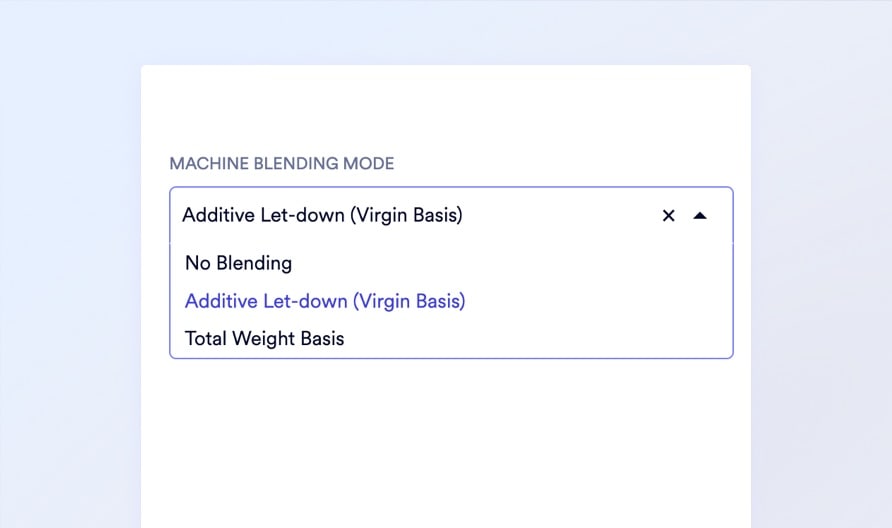
Machine Settings
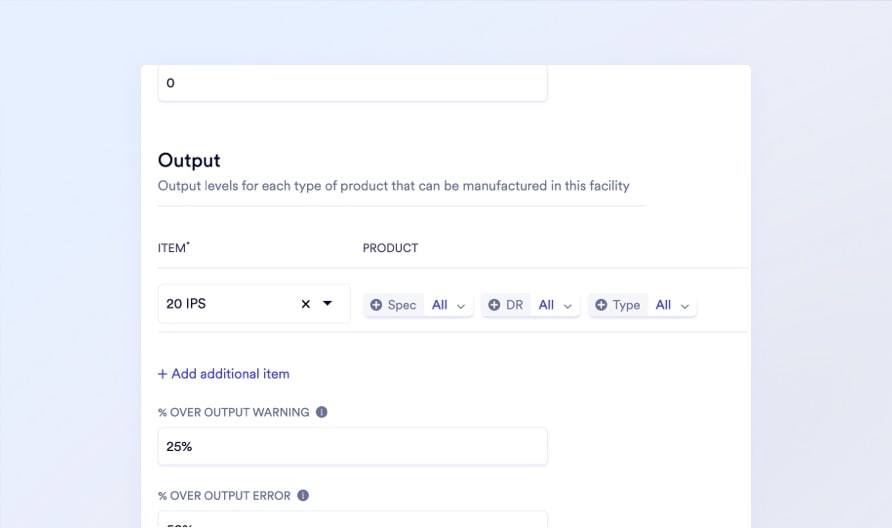
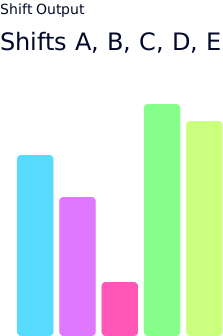
Output Levels by SKU
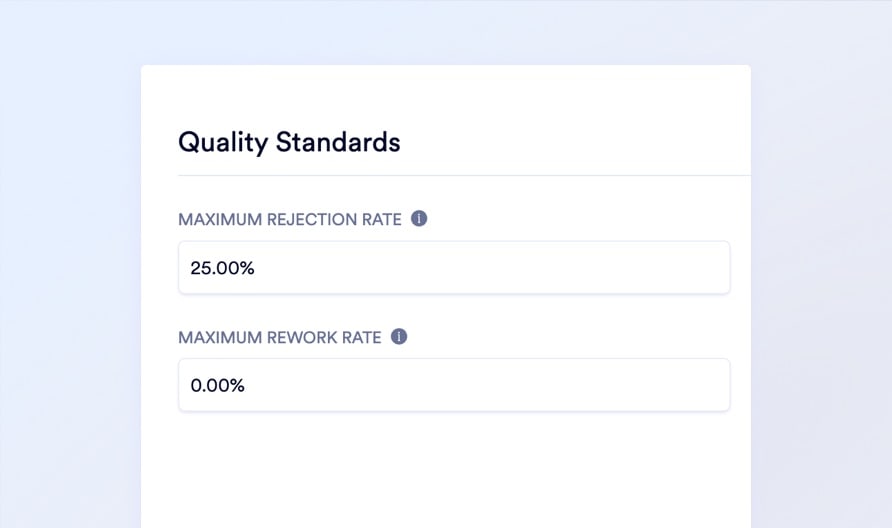
Quality Standards

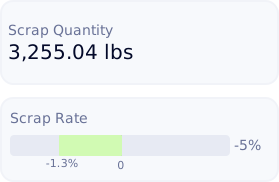

Scrap regrind
Convert Scrap Into Reusable Inventory Instead of Writing It Off
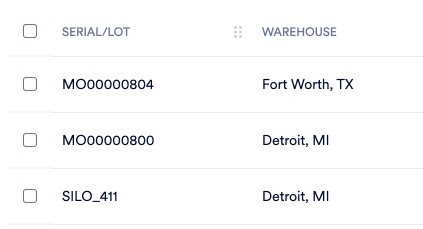
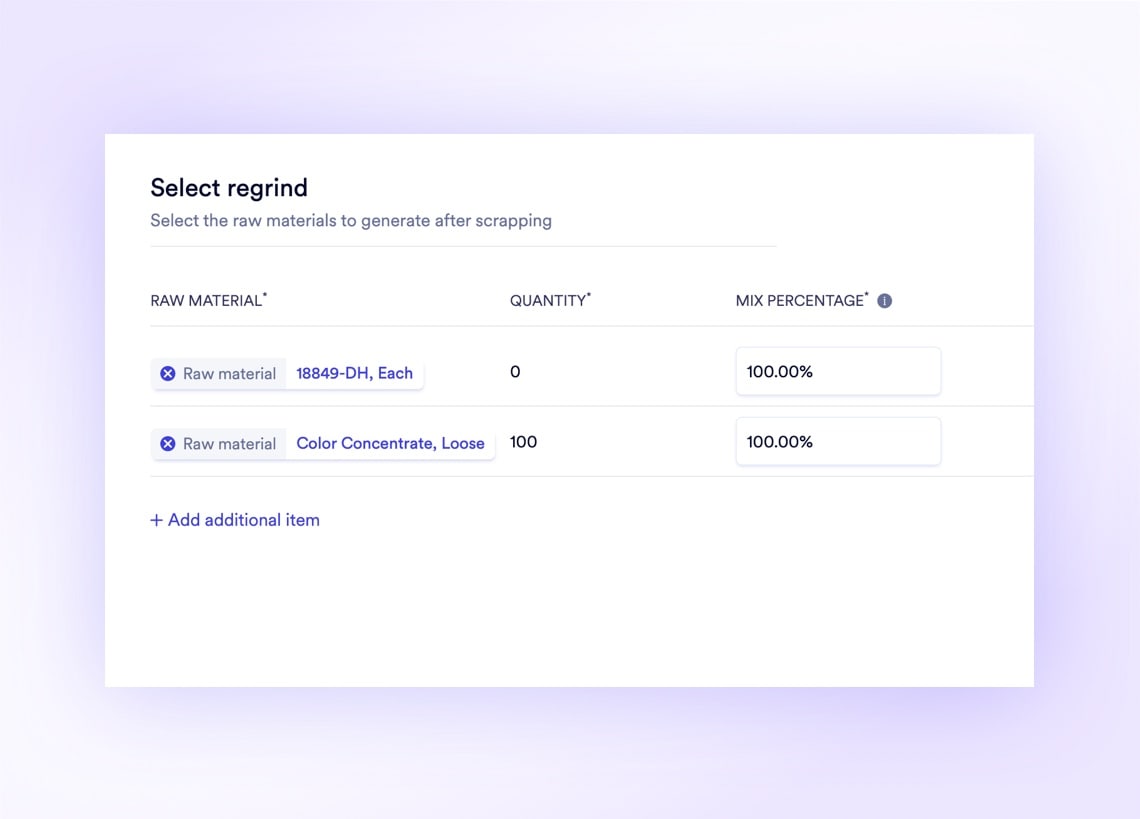
In plastics and metal manufacturing, scrap is not trash. It is ground up and reused. But basic ERPs treat scrap as a total write-off, breaking your inventory accuracy and hiding the reclaimed value from your balance sheet. Naologic's Scrap Regrind workflow logs the waste, defines the regrind mix percentage, and converts processed material back into fully traceable raw material inventory automatically.
Three Systems Your Operators Hate, Gone in One Deployment
Paper Traveler Tickets Paper job tickets get lost, smudged, and ignored. Digital job sheets deliver the exact instructions, clock-ins, and printlines to the operator's screen automatically.
See Job Sheets ›Physical Punch-Card Machines Front-door badge readers create a separate attendance silo. Unified shift management tracks attendance and job-level time from the same tablet.
See Shift Management ›Binder-Based SOPs Printed work instructions go stale the moment engineering revises a drawing. Digital instructions push updates to every tablet the instant a file changes.
See Work Instructions ›
Shop floor comparison
Naologic vs. the Status Quo
Most manufacturers still run their shop floors on a patchwork of paper tickets, shared desktop terminals, and legacy ERP screens that operators refuse to touch. Here is exactly what changes when you deploy a tablet-native system purpose-built for the factory floor.